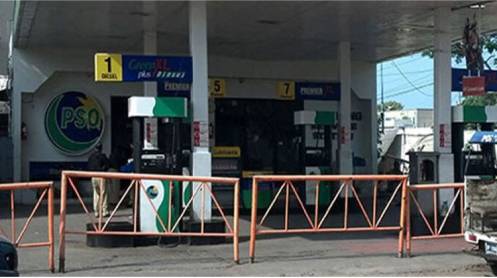
LAHORE: Divisions within Pakistan’s petroleum dealers’ community significantly weakened the impact of a nationwide strike on Thursday, as the majority of petrol pumps across major cities remained operational despite calls for a countrywide shutdown.
Later in the evening, the All Pakistan Petroleum Pump Owners Association (APPPOA) officially deferred the strike for 15 days after successful negotiations with the federal government.
In a video message, APPPOA Vice Chairman Noman Butt announced that the government had agreed to move a summary within the next 15 days to implement the long-pending increase in petroleum dealers’ commission approved by the Economic Coordination Committee (ECC) in December 2025. The government also agreed to review the issue of daily petroleum price revisions during the same period. APPPOA Chairman Humayun Khan subsequently confirmed the suspension of the protest.
Commission Issue Remains Unresolved
The ECC had approved an increase in dealers’ commission from Rs8.64 to Rs9.98 per litre, to be implemented in two phases by June 2026. However, the federal cabinet later delayed implementation, linking the increase to the complete digitalisation of petroleum stock monitoring and fuel sales across the country.
Split Among Dealers Reduces Strike Impact
The strike’s effectiveness was significantly diluted after the Pakistan Petroleum Dealers Association (PPDA) distanced itself from the shutdown call, exposing divisions within the petroleum dealers’ community.
As a result, most petrol pumps remained open in Lahore, Faisalabad, Multan, Islamabad, Sialkot, Narowal, Toba Tek Singh and several other urban centres, ensuring uninterrupted fuel supply for consumers.
In contrast, Peshawar experienced the highest level of participation, with more than 70% of petrol pumps reportedly closed, while closures were also reported in several rural districts and along sections of the GT Road.
Dealers Cite Business Obligations
Petrol pump owners who chose to remain open said their agreements with Oil Marketing Companies (OMCs) required uninterrupted operations.
“Our agreements with OMCs require us to keep our stations operational around the clock, so we could not participate in the strike,” one fuel station owner explained.
Others also pointed to internal divisions within the dealers’ associations, saying multiple groups had taken conflicting positions on the protest.
Conflicting Claims Over Participation
Former Pakistan Petroleum Dealers Association President Zafar Mazari claimed that nearly 90% of petrol pumps from Karachi to Rahim Yar Khan had observed the shutdown, particularly along the GT Road.
However, he acknowledged that the dealers’ community is divided between two major factions—one led by Sami Khan of Karachi and the other by Humayun Khan of Khanewal.
Meanwhile, PPDA Chief Adviser Malik Khuda Bukhsh maintained that almost all fuel stations across the country remained operational, except for some outlets in Peshawar affiliated with the rival group supporting the strike.
Government Assures Resolution
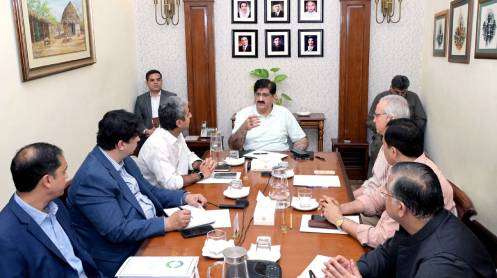
According to PPDA officials, Federal Minister for Energy Ali Pervaiz Malik assured a delegation of petroleum dealers that the government would make every effort to resolve their legitimate concerns within the next two weeks.
Dealers’ Key Demands
The petroleum dealers have been protesting against the proposed daily petroleum pricing mechanism, arguing that it would create operational and financial uncertainty.
They are also demanding:
- An increase in dealers’ commission to 8% of the retail price, equivalent to around Rs25 per litre, instead of the current Rs8.64 per litre.
- Immediate implementation of the commission increase approved by the ECC.
- Abolition of fuel supply quotas imposed by Oil Marketing Companies (OMCs).
The APPPOA had initially announced the closure of approximately 15,000 petrol pumps nationwide after the first round of negotiations with the government failed earlier this week.
With the strike now suspended for 15 days, both the government and petroleum dealers are expected to continue negotiations in an effort to resolve the outstanding issues and avoid further disruption to fuel supplies across the country.
Story by Khalid Hasnain